HomeThings to DoPhotography
For photographers

Best Photography Spots in Kurdistan

Ancient citadels at golden hour, deep canyons, mountain skylines and the fire of Newroz — the most photogenic places and the practical know-how to shoot them across the Kurdistan Region of Iraq.

For photographers, the Kurdistan Region of Iraq is a quietly extraordinary destination: dramatic mountain light, thousands of years of layered history, vivid markets and a landscape that shifts completely with the seasons — all without the crowds that crowd the frame elsewhere. This guide gathers the region's most photogenic places, suggests specific shots worth chasing, and covers the etiquette and practicalities that make the difference between a good trip and a great set of images.

A few things change with the seasons and the rules of the day — opening hours, access roads, festival dates and drone regulations among them. Treat the notes here as a starting point and always verify current conditions and permissions locally before you travel.
Most photogenic attractions

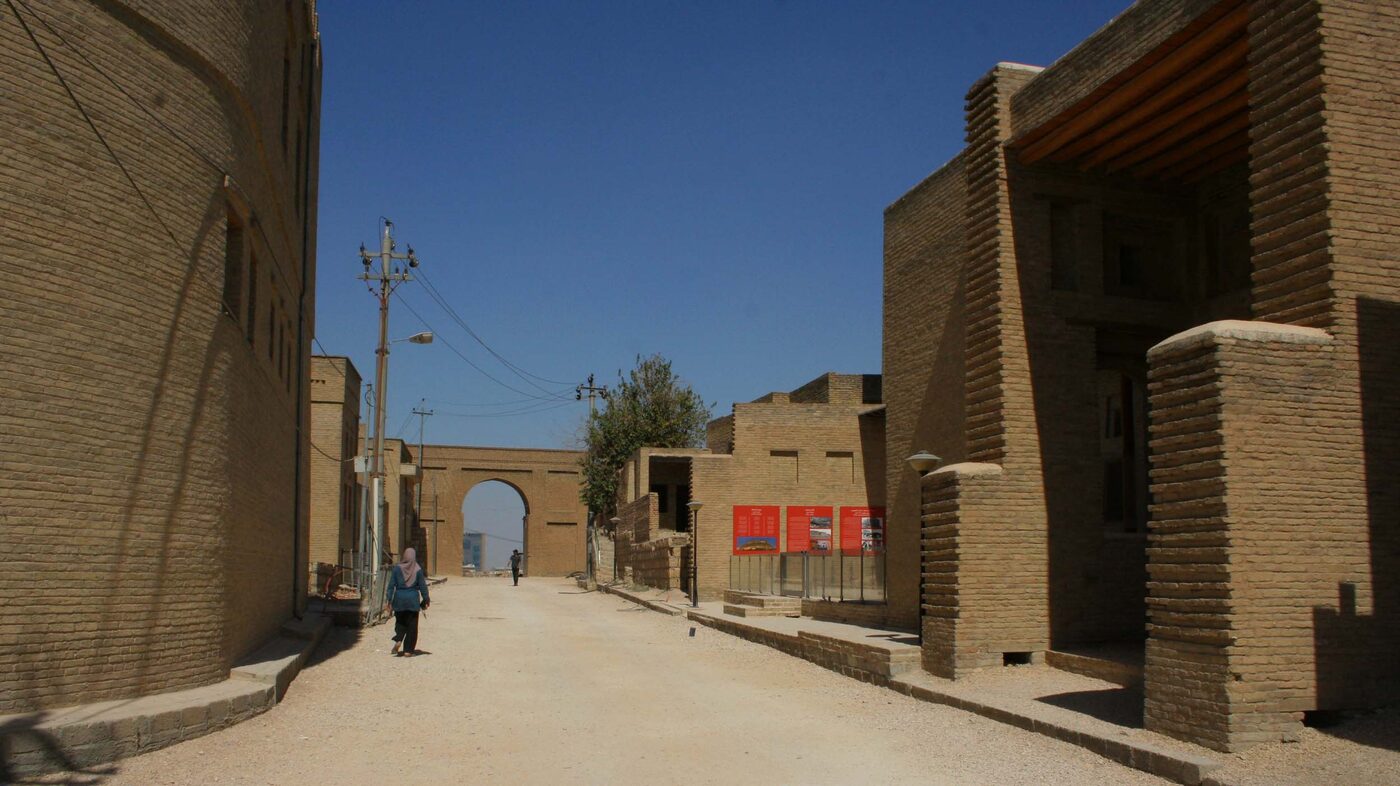
Erbil Citadel rising above the city centre in the Kurdistan Region of Iraq

Erbil Citadel

Erbil

The citadel's honey-coloured walls and the busy bazaar streets below are a gift for photographers, especially in the soft light of early morning and late afternoon. Climb for elevated views over the old town, then work the alleys for texture, weathered doorways and everyday street scenes.

Read the full Erbil city guide
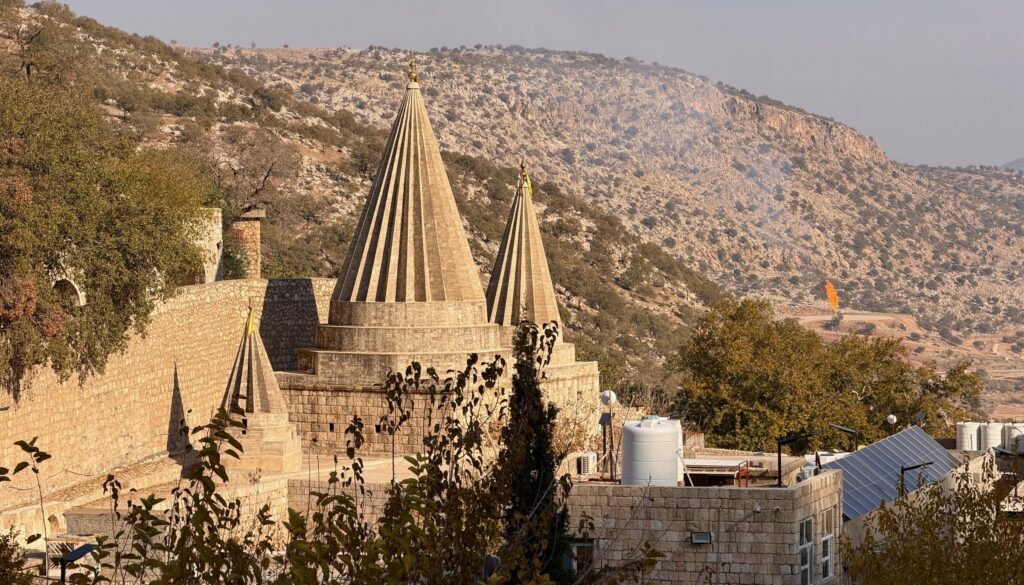
Conical shrines of the Lalish temple rising above a green valley in the Kurdistan Region of Iraq

Lalish

Duhok Governorate

The fluted conical spires, worn stone courtyards and dappled light of this sacred valley make for striking, atmospheric images. Photograph respectfully and discreetly — it is an active place of worship, so always ask before picturing people and follow any limits on where cameras are welcome.

Read the Lalish guide
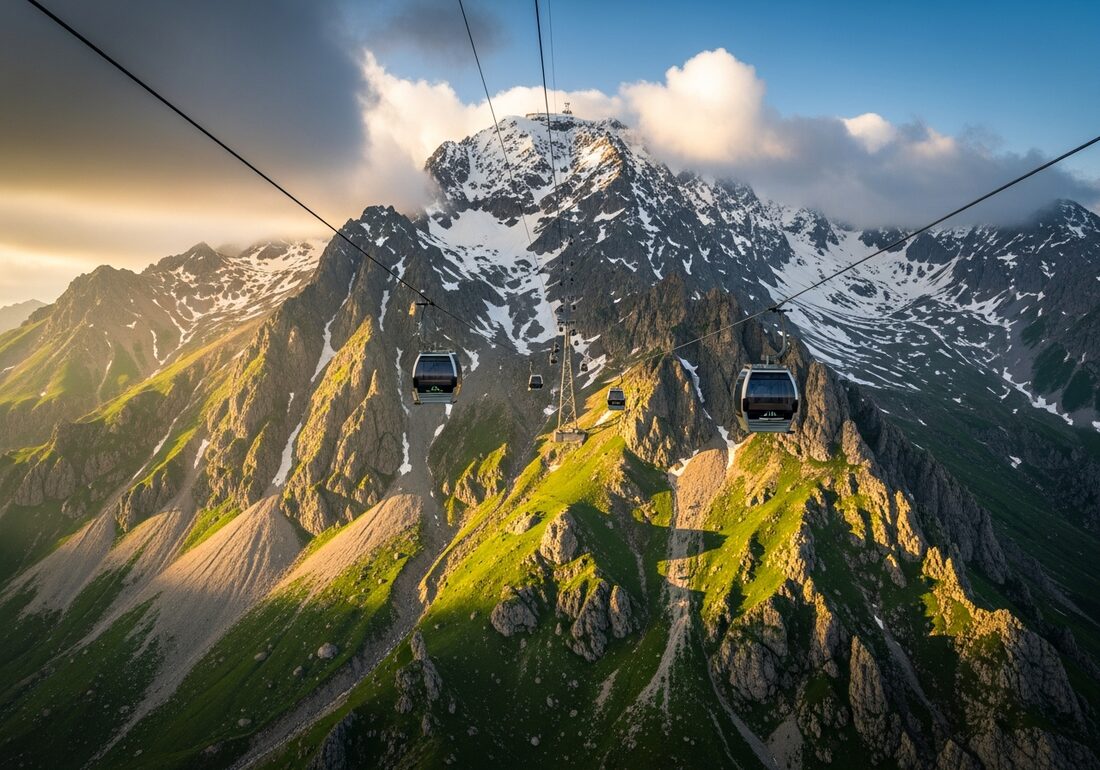
Mount Korek mountain landscape with a cable car ascending the slope in the Kurdistan Region of Iraq

Mount Korek

Rawanduz area

The cable-car ascent and the alpine meadows at the summit open up sweeping compositions across the folded Zagros, with snow in winter and wildflowers in summer. Clear mornings give the crispest long-distance views before afternoon haze builds over the ranges.

Explore mountains & nature
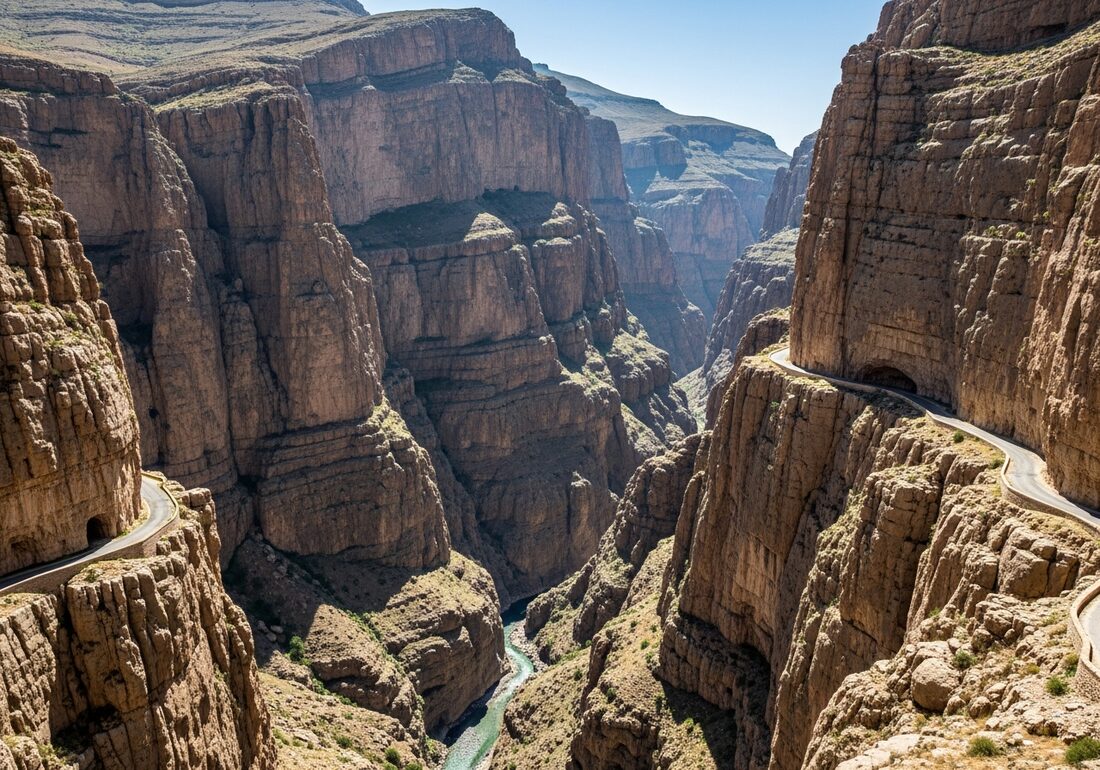
Rawanduz Canyon, a deep limestone gorge with a winding mountain road in the Kurdistan Region of Iraq

Rawanduz Canyon

Erbil Governorate

The sheer walls and plunging depth of the gorge are among the most dramatic landscape subjects in the region, best captured when low sunlight rakes across the rock. Viewpoints along the cliffside road frame both the canyon and the winding route far below.

Read the Rawanduz guide
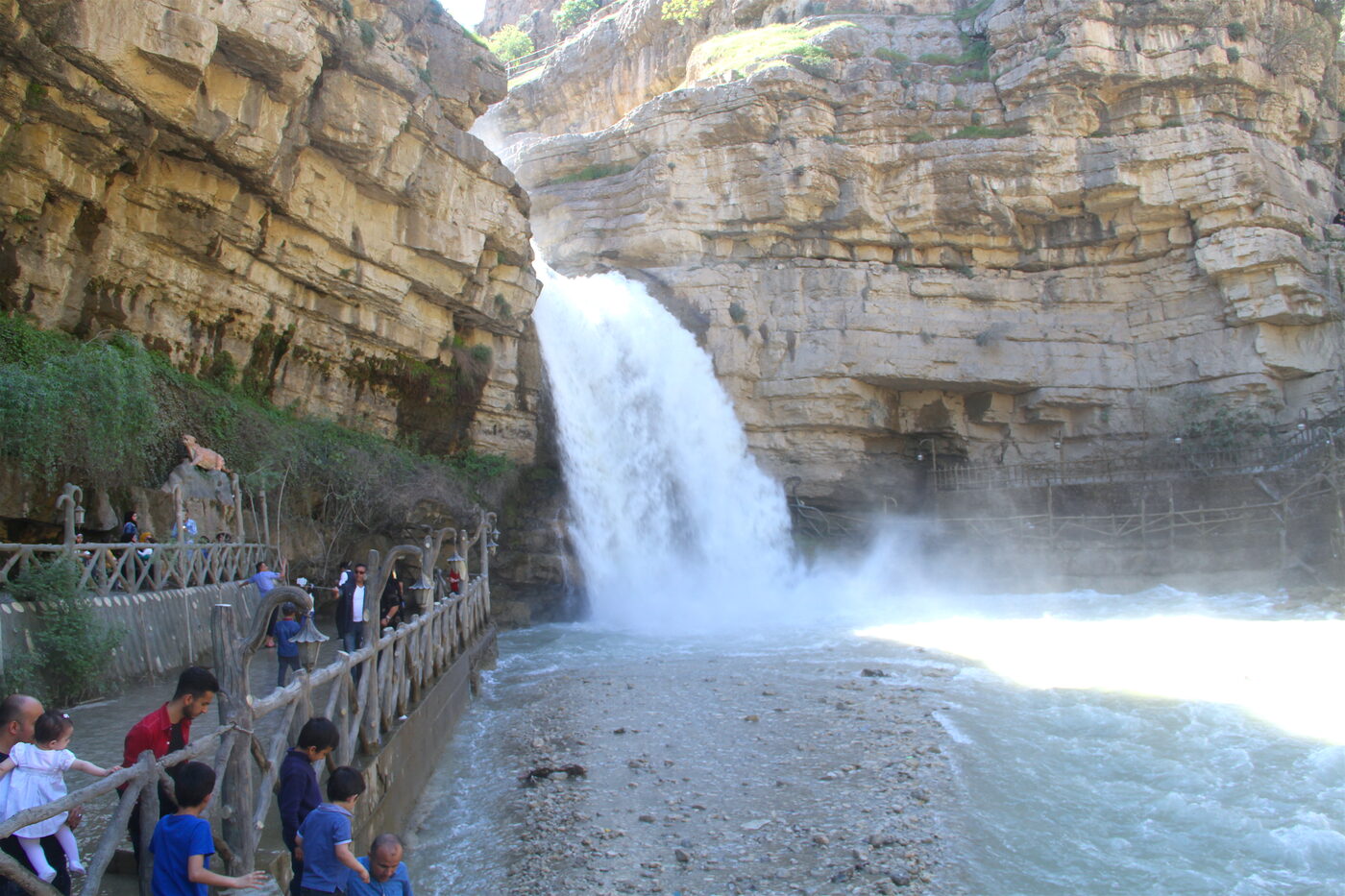
Gali Ali Beg waterfall cascading through a limestone gorge in the Kurdistan Region of Iraq

Gali Ali Beg Waterfall

Rawanduz area

This much-loved waterfall is a classic set piece, its curtain of water framed by greenery and drifting mist. A slower shutter smooths the flow, and the snowmelt of spring gives it the fullest, most photogenic volume.

Plan a Rawanduz day trip
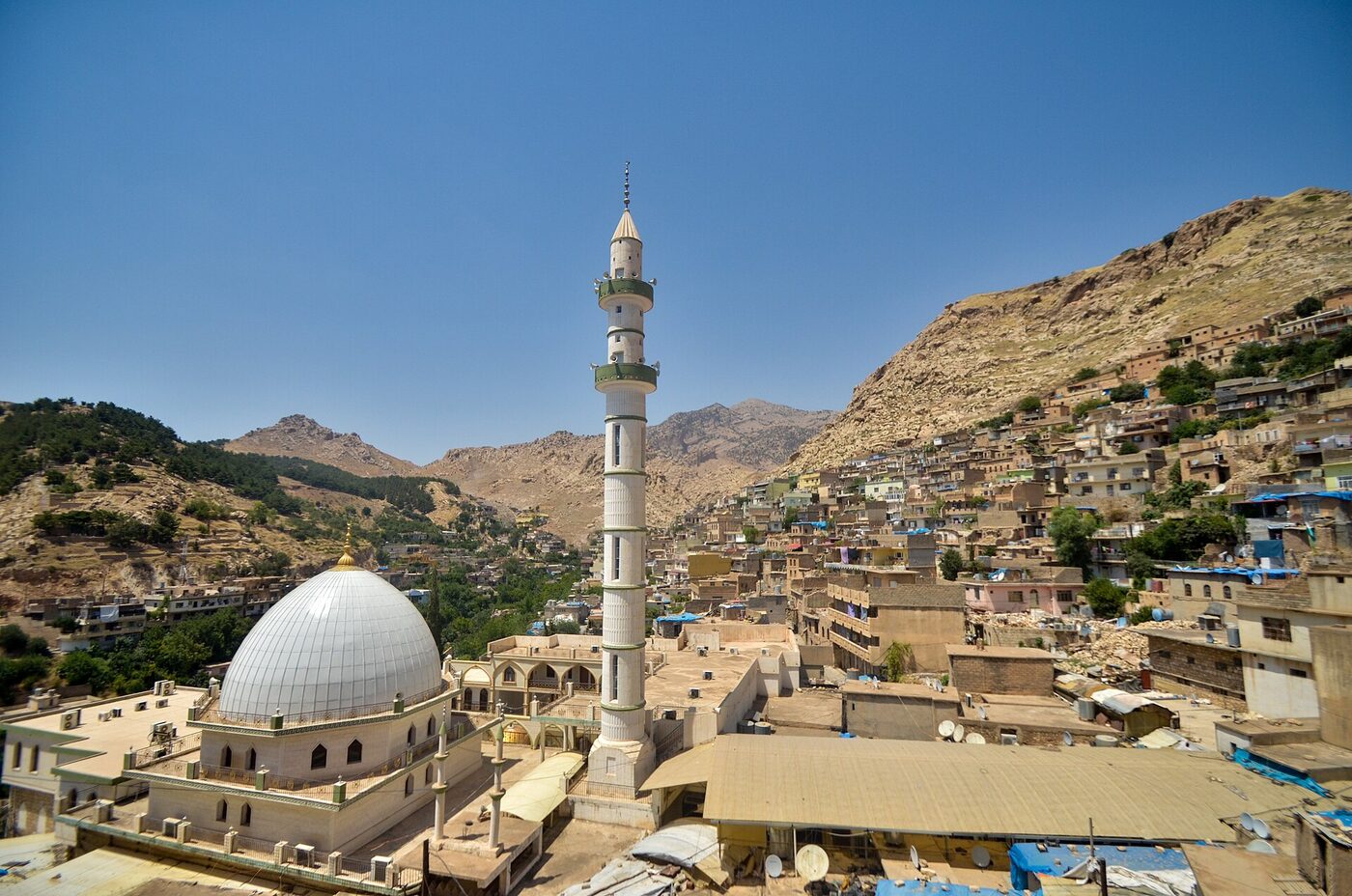
The mountain town of Akre with stone houses on a hillside in the Kurdistan Region of Iraq

Akre

Duhok Governorate

The town tiers up its hillside in a way that photographs beautifully at dusk, when lights flicker on across the slope. It is most spectacular during Newroz, when torch-bearers climb the mountainside in a river of fire — a bucket-list night shot for many.

Read the Akre guide
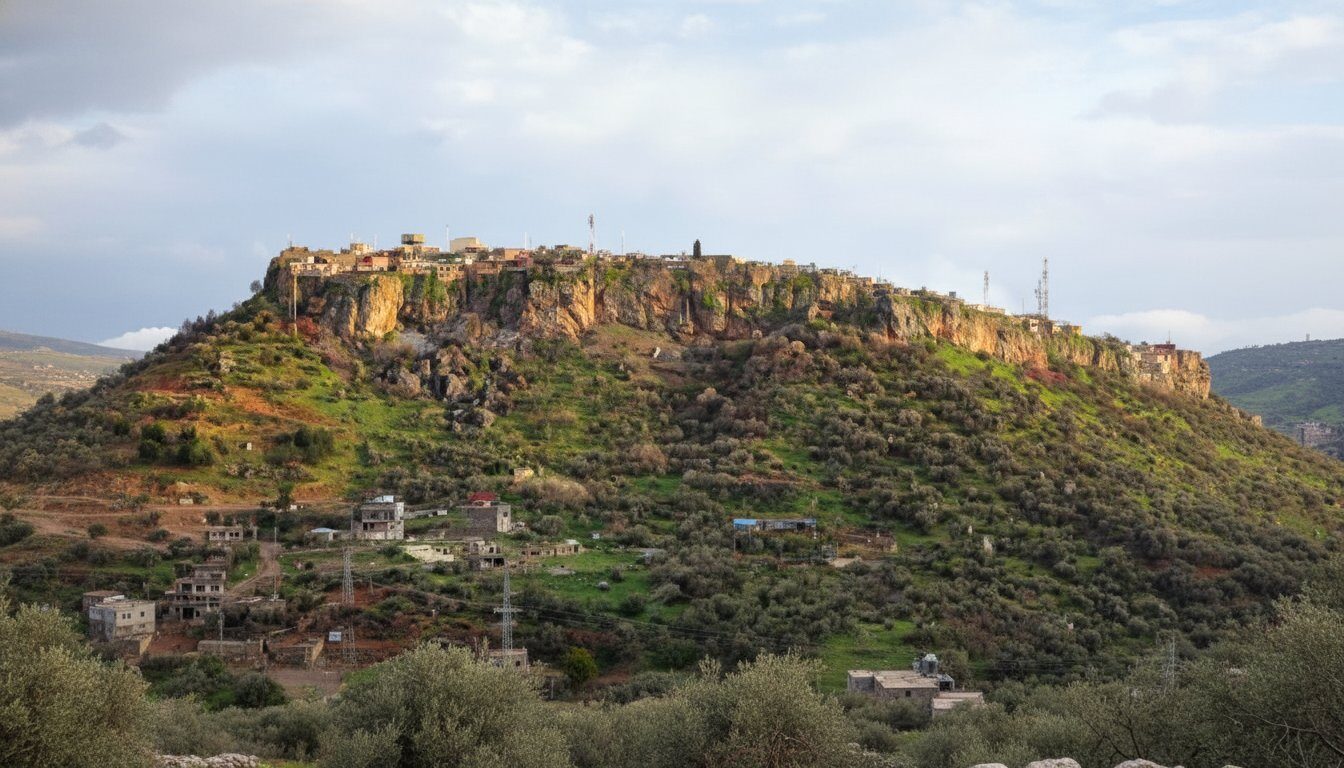
The clifftop town of Amedi (Amadiyah) on a flat mountain in the Kurdistan Region of Iraq

Amedi (Amadiyah)

Duhok Governorate

Amedi's silhouette on its clifftop plateau is one of the region's signature views, particularly at sunrise or when mist pools in the valleys below. Shoot it from the approaching road for the full drama of a town that seems to float above the landscape.

Read the Amadiyah guide

Shots worth chasing

🌇Golden hour at Erbil Citadel

The ancient mound glows at sunrise and sunset, when low light rakes across its walls and the city below. Climb to the terrace for a long view over the Qaysari bazaar, or shoot upward from the streets for a sense of its scale.

🔥Newroz fire at Akre

Around the spring equinox in March, thousands of torch-bearers climb the mountainsides above Akre at dusk, turning the slopes into ribbons of fire. It is one of the most dramatic night-photography opportunities in the region — bring a tripod and arrive early for a spot.

🌸Spring wildflower meadows

From roughly April to May the mountain slopes turn vivid green and erupt with wildflowers. The hills around Rawanduz, Choman and the high valleys are ideal for sweeping landscape frames with snow still lingering on the peaks above.

🛣️The Hamilton Road & Rawanduz viewpoints

The road carved along the Rawanduz gorge offers one dramatic vantage after another, with sheer cliffs, switchbacks and the river far below. Pull over at the marked viewpoints for the classic canyon compositions.

🧺Bazaar life & street scenes

The covered markets of Erbil and Sulaymaniyah are full of colour, texture and atmosphere — spices, fabrics, tea houses and light filtering through the roofs. Always ask before photographing people; a smile and a few words of Kurdish go a long way.

🏔️Clifftop towns & mountain skylines

The flat-topped silhouette of Amedi, the stacked stone houses of Akre and the ridgelines around Mount Korek all make striking subjects, especially in soft morning light or with mist rising from the valleys.

Practical tips & etiquette

🌅Chase the light

The hours after sunrise and before sunset give the warmest, softest light and the most depth in the mountains. Midday sun is harsh and flat, so use it for indoor subjects, bazaars and shaded gorges instead.

🙏Photographing people respectfully

Kurdish hospitality is warm, but always ask permission before photographing individuals, especially women, children and elders. Many people are happy to oblige once asked — and the resulting portraits are far better for the connection.

🕌Sensitive and sacred sites

Dress modestly and follow the rules at religious sites such as Lalish, where shoes are removed. At memorials like Halabja, photograph with restraint and respect. Avoid photographing military installations, checkpoints and security personnel.

🚁Drones: check the rules first

Drone use can be restricted or require permission, and rules vary by location and over time. Never assume you can fly — confirm the current regulations and any permits with local authorities well before you travel.

🌤️Plan around the seasons

Spring brings green hills, wildflowers and full waterfalls; autumn offers clear, crisp air; winter dusts the peaks with snow. Mountain weather changes fast, so build in flexibility and protect your gear from dust and sudden rain.

Frequently asked questions

What are the best photography spots in the Kurdistan Region of Iraq?+
Standout subjects include the Erbil Citadel at golden hour, the Rawanduz canyon and its waterfalls, the spires of Lalish, the clifftop town of Amedi, the high scenery around Mount Korek, and the Newroz fire celebrations at Akre in March.
When is the best time of year for landscape photography?+
Spring (April–May) is unbeatable for green hills, wildflowers and powerful waterfalls, often with snow still on the peaks. Autumn brings clear, comfortable light, while winter offers snowy mountain scenes on higher ground.
Can I photograph people in markets and villages?+
Generally yes, but always ask first. Locals are often welcoming and happy to be photographed once approached politely, but you should never photograph people — particularly women and children — without their consent.
Are drones allowed?+
Drone rules can be restrictive and change over time, and permission may be required. Do not assume you can fly; verify the current regulations and obtain any necessary permits from local authorities before travelling.

Keep exploring

See all our things to do in Kurdistan, best places to visit, mountains and nature and culture and history guides, or plan your trip.

VisitKurdistan.com is an independent travel guide and is not affiliated with any government tourism board or official tourism authority. Festival dates, opening hours, access and drone or photography regulations change frequently — always verify current conditions and permissions locally before you travel.