HomeThings to DoHistory & Heritage
For history lovers

Best Historical Sites in Kurdistan

Ancient citadels, prehistoric caves, mountain-top old towns and places of remembrance — the sites that trace tens of thousands of years of human history across the Kurdistan Region of Iraq.

Few places pack so much history into so small an area. The Kurdistan Region of Iraq sits at a crossroads of civilisations, and its landscape is layered with prehistoric caves, ancient citadels, medieval mountain towns and modern memorials. For travellers drawn to the past, it offers the rare chance to walk through tens of thousands of years of human story in a single trip.

This guide gathers the standout sites for history lovers, sets them in the broad sweep of eras they belong to, and adds practical notes for visiting thoughtfully. Opening hours, entry fees and access to excavation and memorial sites change with the season and local conditions, so treat the details here as a starting point and confirm anything important locally before you travel.

Historical sites to visit

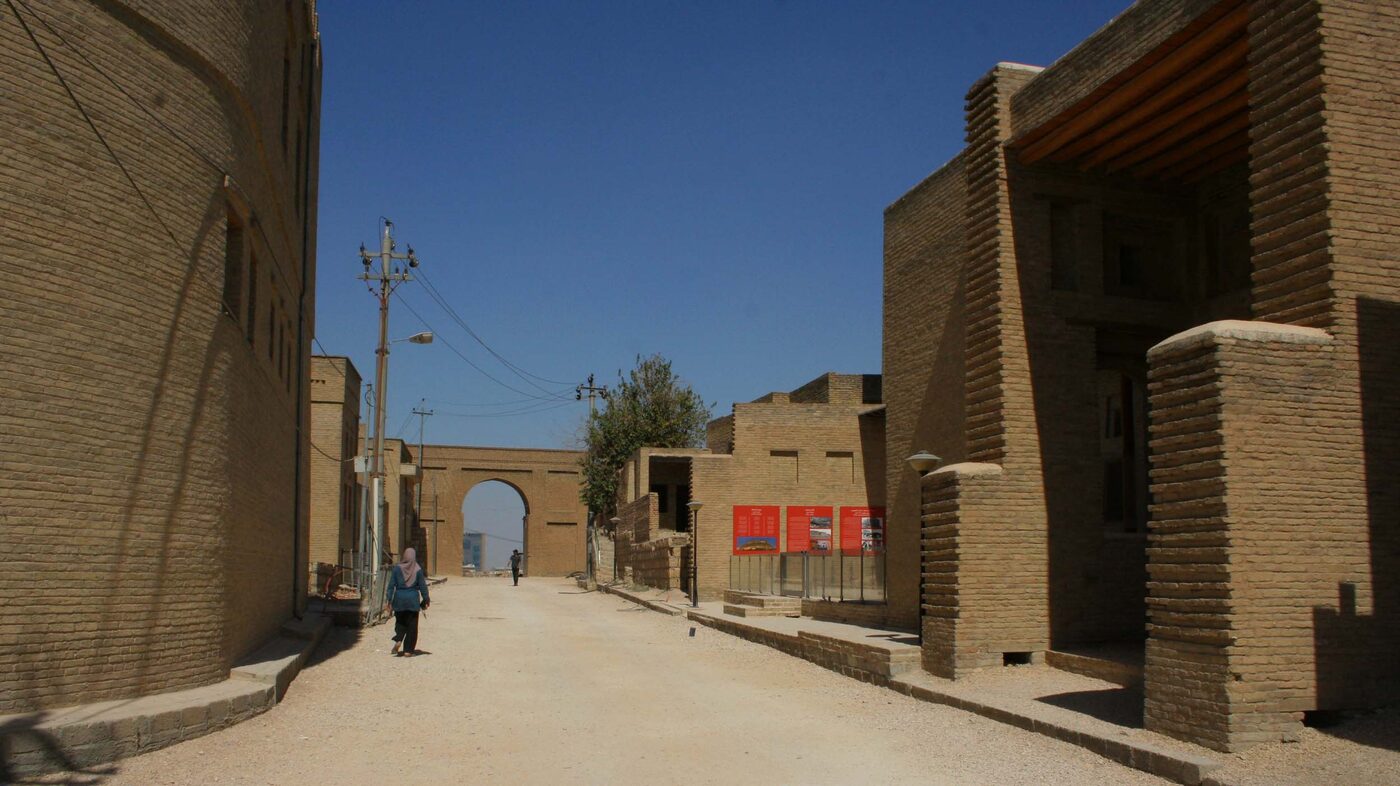
Erbil Citadel rising above the city centre in the Kurdistan Region of Iraq

Erbil Citadel

Erbil

Few places compress human history like this great tell, a mound raised by thousands of years of continuous settlement into one of the oldest inhabited sites on earth. For history travellers it is the essential first stop — a layered record of Assyrian, Ottoman and Kurdish life you can walk across in a single afternoon.

Read the full Erbil city guide
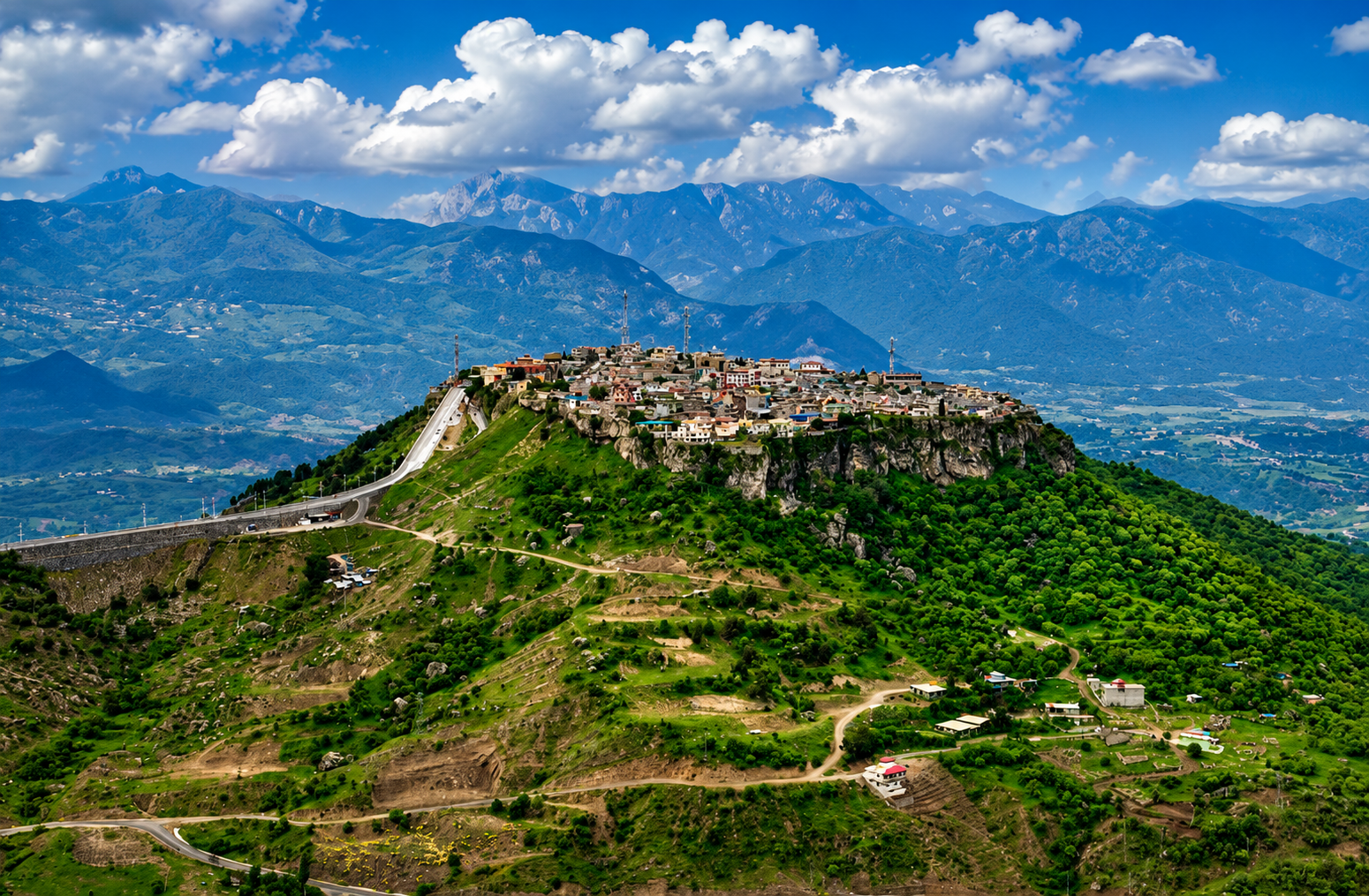
The clifftop town of Amedi (Amadiyah) on a flat mountain in the Kurdistan Region of Iraq

Amedi (Amadiyah)

Duhok Governorate

Set high on a flat-topped mountain, Amedi has guarded its plateau since antiquity, its old gateways and lanes still telling of centuries as a fortified seat of power. It rewards history lovers who prefer to read a town's past in its stones and setting rather than behind glass in a museum.

Read the Amadiyah guide
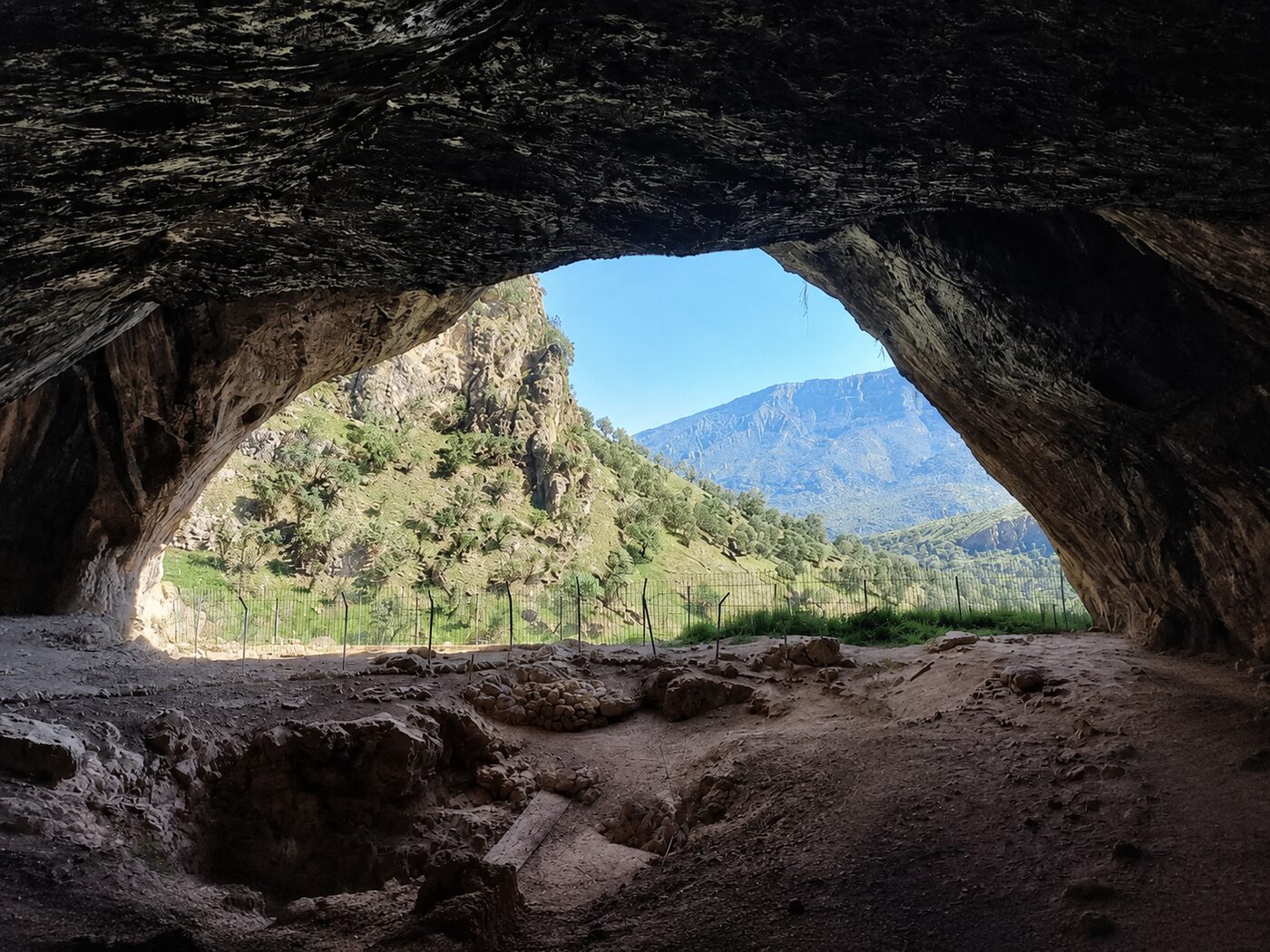
The large mouth of Shanidar Cave in a limestone mountainside in the Kurdistan Region of Iraq

Shanidar Cave

Erbil Governorate

This mountain cave is one of the most important prehistoric sites in the Middle East, where excavations uncovered Neanderthal remains that reshaped how we understand early human life and ritual. Reaching it takes some effort, but for anyone drawn to deep history the sense of standing at the source is hard to match.

Read the Shanidar Cave guide
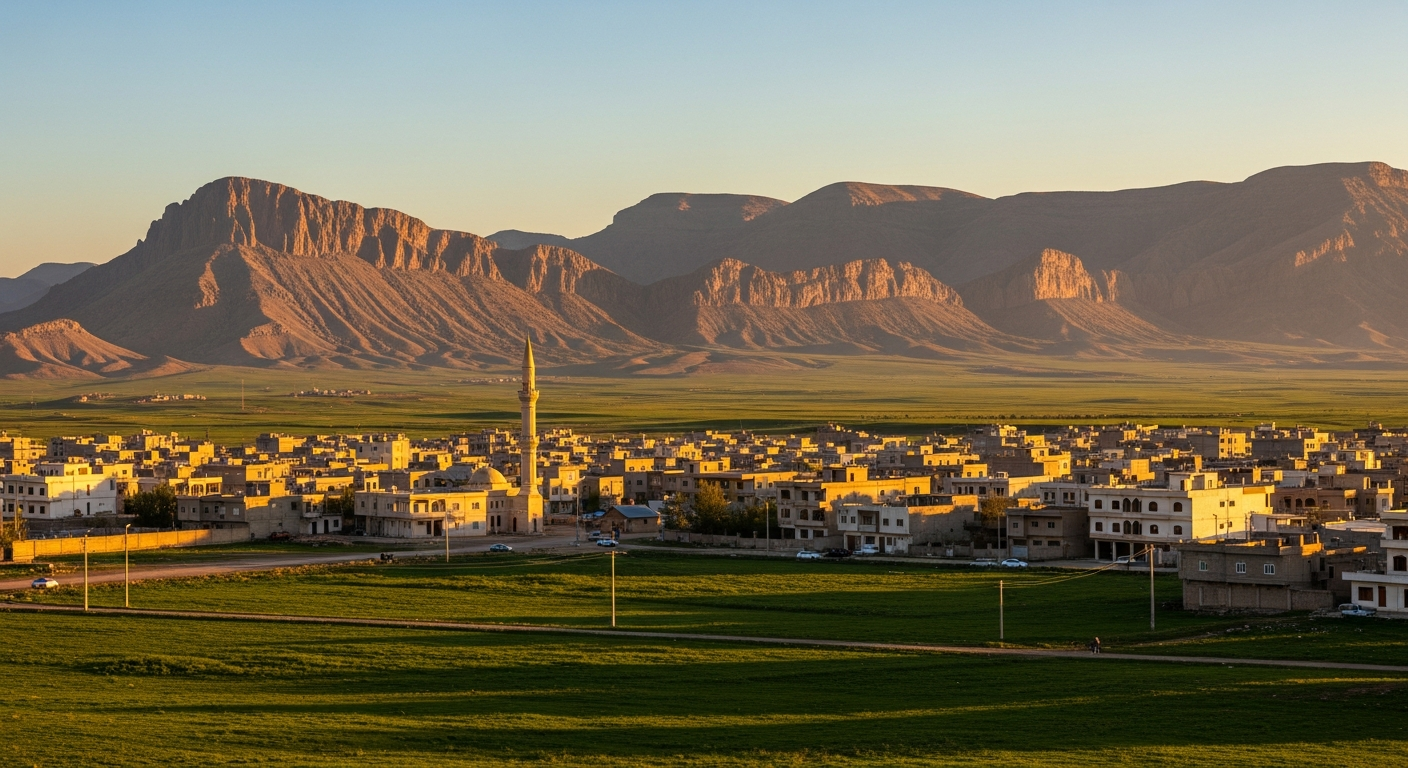
The Halabja memorial monument in the Kurdistan Region of Iraq

Halabja Monument

Halabja

The memorial at Halabja honours the victims of the 1988 chemical attack and offers sober, essential context for the region's recent past. It is a place for quiet reflection rather than sightseeing, and a visit is best approached slowly and with respect.

Read the Halabja guide

Layers of history

🦴Deep prehistory

The region holds some of the most important prehistoric sites anywhere, where excavations have reshaped our understanding of early humans and Neanderthals. Standing inside these caves, you sense a human story reaching back tens of thousands of years.

🏛️Ancient & classical layers

Mounds and citadels here have been built and rebuilt for millennia, with occupation layers stacking civilisations one atop another. The capital's great Citadel is among the longest continuously inhabited places on earth.

🕌Medieval towns & faiths

Mountain towns perched on rock, old religious sanctuaries and centuries-old trade routes speak to a long medieval past where many faiths and peoples have lived side by side, leaving a rich layered heritage.

🕯️Modern memory

Recent history is remembered with great care in places of mourning and remembrance. Visiting them thoughtfully is a moving way to understand the resilience of the people and the events that shaped the present.

Tips for visiting historical sites

🧭Hire a local guide

A knowledgeable local guide brings these layered sites to life and helps with context, language and access. For archaeological and memorial sites in particular, the stories make all the difference to what you take away.

🤲Visit memorials respectfully

Sites of remembrance honour real and recent loss. Dress modestly, keep your voice low, follow any photography guidance, and give yourself time and space to reflect rather than rushing through.

📷Check photography rules

Some museums, religious sanctuaries and memorials restrict photography or charge for it, and rules can change. Always look for signage or ask before taking pictures, especially of people or inside buildings.

🗓️Confirm hours & access

Opening times, entry fees and access to excavation sites vary with the season, restoration work and local conditions. Treat any details here as a starting point and confirm current information locally before you set out.

Frequently asked questions

What are the best historical sites in the Kurdistan Region of Iraq?+
Highlights include the UNESCO-listed Erbil Citadel, one of the longest continuously inhabited settlements on earth; Shanidar Cave, famous for its prehistoric and Neanderthal discoveries; the dramatic mountain town of Amedi (Amadiyah); and the Halabja Monument, a place of remembrance. Together they span tens of thousands of years of human history.
How much time do I need to see the main historical sites?+
You can see the Erbil Citadel in half a day as part of a city visit, while Shanidar Cave, Amedi and Halabja each work well as day trips from nearby cities. A focused history-themed trip of four to six days lets you combine several at a relaxed pace.
Should I hire a guide for archaeological and memorial sites?+
It is highly recommended. A local guide adds essential context, helps with language and access, and makes the layered history far more meaningful — particularly at excavation sites and places of remembrance where the stories are central to the experience.
Can I take photographs at these sites?+
Often yes outdoors, but some museums, religious sanctuaries and memorials restrict or charge for photography, and rules can change. Always check signage or ask first, and be especially considerate at memorials and when photographing people.

Keep exploring

Read about Shanidar Cave, our culture and food guide, see all things to do in Kurdistan, or plan your trip.

VisitKurdistan.com is an independent travel guide and is not affiliated with any government tourism board or official tourism authority. Opening hours, entry fees, photography rules and access to archaeological and memorial sites change frequently — always verify current details locally before you travel.