Barzan Travel Guide: River Landscape, Heritage and a Local Day
Barzan is a destination for travellers who want to connect landscape with modern Kurdish history and local context. The area around the Great Zab and the mountain foothills rewards a slower day, but it is not a fully packaged attraction where every stop has a universally fixed visitor routine. Go with a driver or local recommendation, leave room for respectful interpretation and confirm access before setting out.
Why include Barzan?
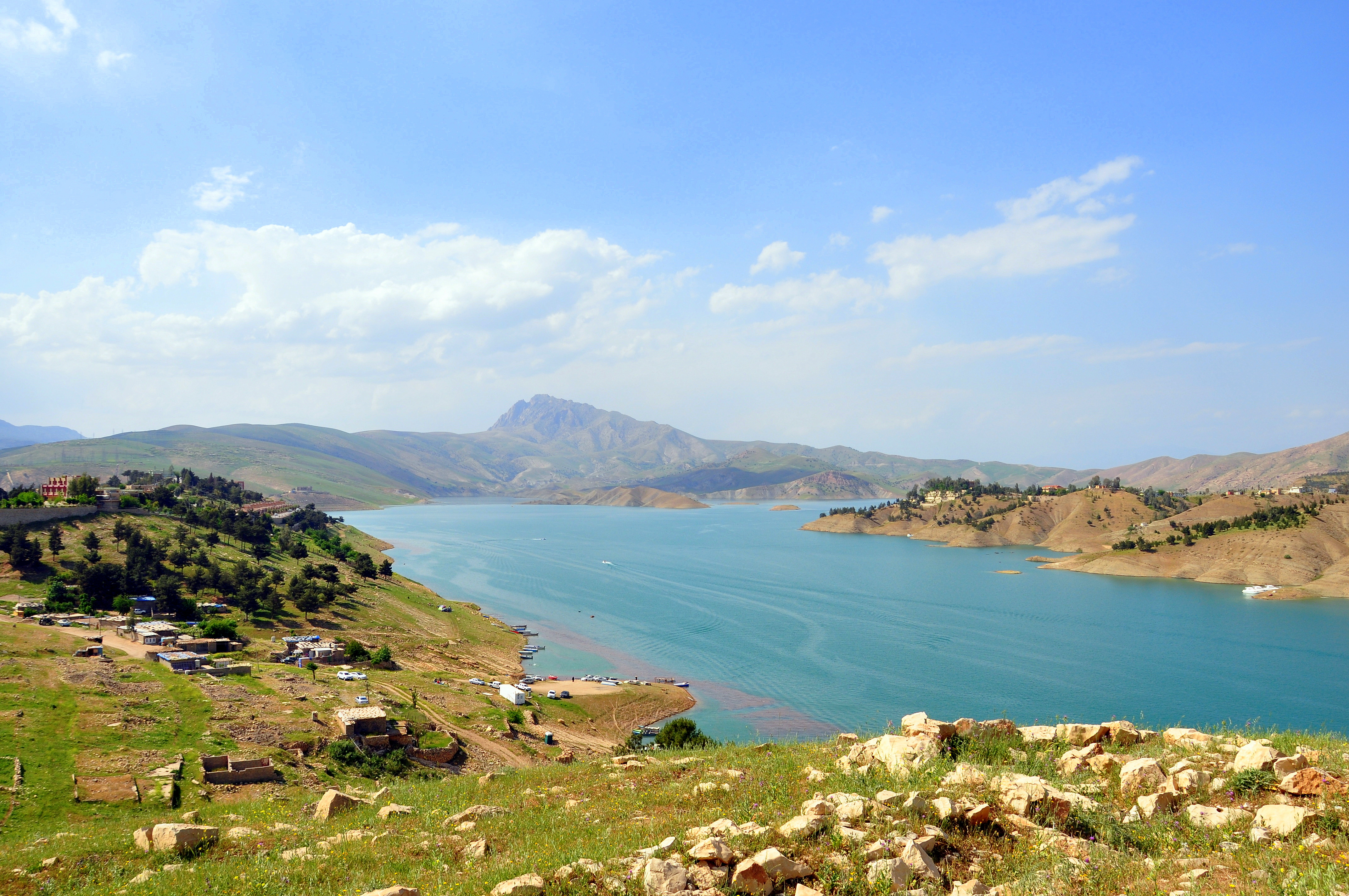
Barzan brings together a river valley, mountain scenery and a place of deep importance in Kurdish political and cultural memory. The area is best understood through a combination of landscape and local explanation rather than a quick landmark photograph. A driver or guide can help distinguish a public viewpoint, a memorial or a community space and can tell you where visitors should and should not go.
The region is rural in character. Services, signage and transport frequency are not the same as in Erbil or Duhok, so carry cash, water, food basics and an offline route. Build the outing around daylight and do not assume a map pin means a formal attraction with current opening hours.
- Best fit: a guided or driver-led day from Erbil, Shaqlawa or a northern route.
- Bring: modest clothing, water, sun protection and a respectful attitude at memorial or community sites.
- Ask before: photographing people, entering private land or approaching sensitive infrastructure.
A thoughtful day in the area
Start with the route and access check, then allow the landscape to set the pace. River views, foothill roads and quiet villages can take longer than expected when you stop safely and speak with a local host. If visiting a memorial or heritage place, read what is available, keep your voice low and avoid reducing a serious site to a backdrop.
A picnic or tea stop can work well if you leave no litter and use a place your driver confirms is appropriate. Pack food from a local bakery or market, but do not assume a riverside shoulder is public or safe. Respect agricultural land, livestock and residents' privacy.
Transport and route choices
Barzan can be paired with Shaqlawa or a broader northern mountain route, but the best combination depends on the road and the time you have. A local driver is particularly useful because route names, informal stops and current access can be difficult to interpret from a foreign map. If you are self-driving, stay on roads you understand and ask about any turn that appears to lead towards a restricted area.
Do not plan a late return through unfamiliar mountain roads. Leave a daylight margin for traffic, photo stops and slow sections, and agree the final destination with the driver before leaving. Fuel and card facilities may be limited outside cities.
Context, etiquette and what not to invent
Barzan's significance is connected to Kurdish history and living memory, but visitors should avoid treating political or memorial subjects as a set of simplified slogans. Listen to local explanations and use established historical sources for deeper research. This guide deliberately does not invent opening hours, ticket prices, annual ceremonies or claims about current access.
Travel conditions, local permissions, weather, road surfaces and event schedules can change. Verify details with a current local source before travelling and again on the day. VisitKurdistan.com is independent and is not a government tourism authority.
Keep planning
VisitKurdistan.com is an independent guide. Please verify current details with official sources, local hosts and organisers before making a journey.