3-Day Kurdistan Itinerary: Erbil and the Northern Highlights
Three days is enough to get a meaningful first impression of the Kurdistan Region if you keep the route compact. This plan uses Erbil as the main base, combines the historic centre with one full day in the nearby mountains, and leaves enough margin for airport arrival and an unhurried meal. It is written for an independent traveller who wants a useful framework rather than a fixed tour schedule.
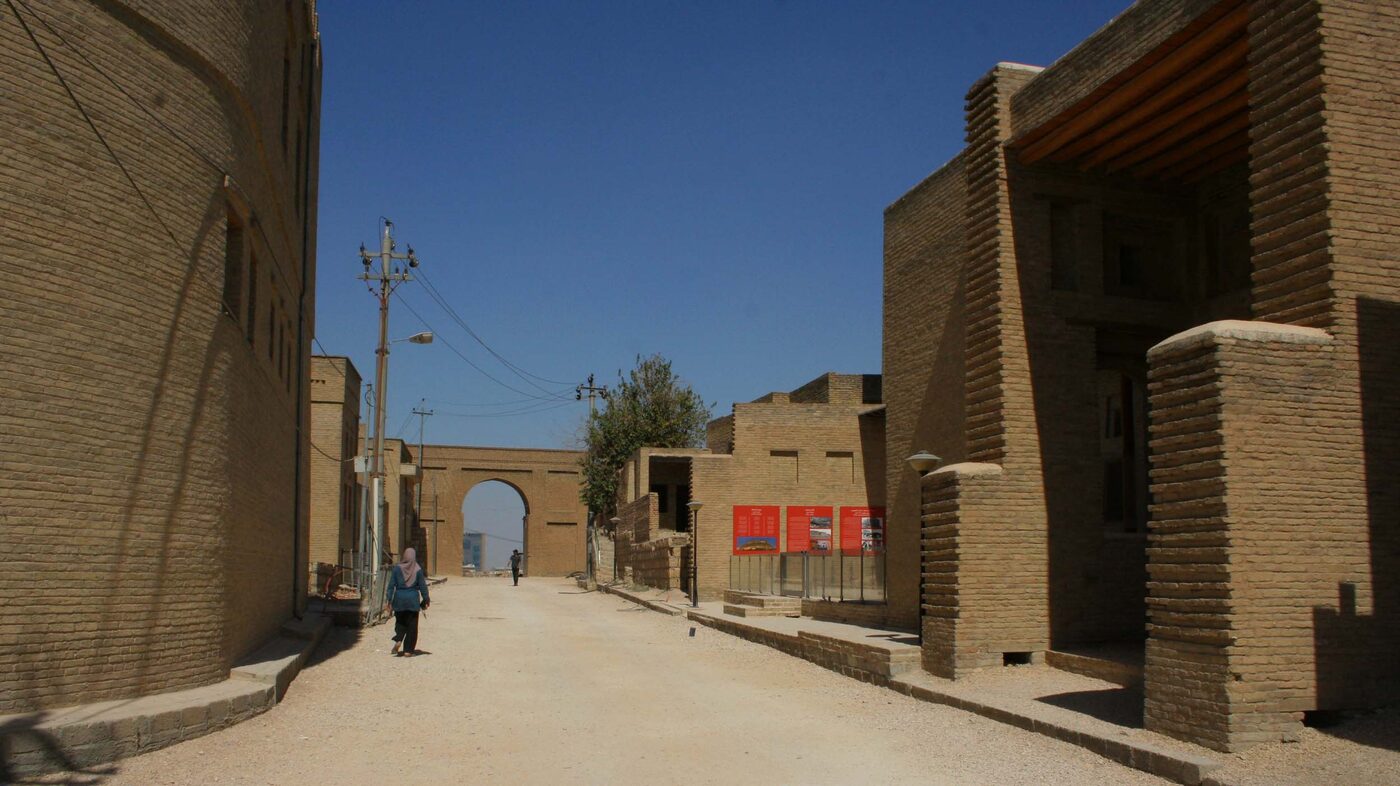
How to use this 3-day route
Treat the days as blocks, not appointments. Arrival time, traffic, heat, prayer times, weather and the pace of a conversation over tea can all change how much you see. If your flight lands late, move the citadel walk to the following morning and use the first evening for Ankawa or a nearby dinner. If you are travelling in summer, start outdoor visits early and reserve the hotter middle of the day for museums, bazaars and long lunches.
The route is intentionally Erbil-centred. A three-day trip is not the time to force in Sulaymaniyah, Duhok and Rawanduz as separate stops: the distances make the experience feel like a checklist. For a longer route, compare the five-, seven- and ten-day plans below, or use the AI trip planner to change the balance between history, food and mountains.
- Best for: a first taste of history, food, city life and accessible mountain scenery.
- Transport: taxis in Erbil; a driver, rental car or organised day trip for the mountain day.
- Pace: two city-focused days with one flexible countryside day.
Where to base yourself
Erbil is the simplest base for this short itinerary because the international airport is close to the city and the main historic sights are concentrated around the citadel and bazaar. Choose a hotel near the citadel if you want to walk to the old centre, or compare Ankawa and the western neighbourhoods if restaurants, airport access or a quieter evening matter more. The best base is the one that reduces transfers, not necessarily the one with the most impressive address.
For a mountain day, leave the city with a full tank, water, sun protection and offline map access. Shaqlawa offers a gentler nearby escape; the Hamilton Road and Rawanduz direction gives more dramatic scenery but makes for a longer day. Ask a local driver about road and weather conditions before committing to the furthest option.
Food and cultural rhythm
Build time around meals rather than treating them as fuel between sights. A Kurdish breakfast, a slow lunch of rice, dolma or grilled food, and tea in a bazaar or park are part of the experience. Restaurants often become busier later in the evening, while families may spend long afternoons outdoors when the weather is comfortable.
Dress modestly when visiting religious or memorial spaces, ask before photographing people, and expect hospitality to take time. A small amount of Sorani Kurdish such as supas (thank you) is appreciated, while Arabic and English may be understood in hotels and central businesses. These are practical courtesies, not a substitute for asking locally when a custom or site rule is unclear.
Day-by-day framework
Day 1
Arrive and discover Erbil's old centre
Settle in, then walk the citadel and surrounding bazaar at a pace that leaves room for tea, food and changing light.
- Erbil Citadel
- Qaysari Bazaar
- Shar Park
- Traditional dinner
Day 2
City history and contemporary Erbil
Use the morning for a museum or heritage visit, then choose a modern neighbourhood, café or food stop for the evening.
- Citadel viewpoints
- Heritage or museum visit
- Local market
- Ankawa or central dinner
Day 3
Shaqlawa or a longer mountain day
Choose the close, relaxed option if you have an evening flight; choose the Rawanduz direction only with an early start and a reliable driver.
- Shaqlawa hills
- Tea and picnic stop
- Optional waterfall viewpoint
- Return to Erbil
Keep planning
VisitKurdistan.com is an independent guide. Please verify current details with official sources, local hosts and organisers before making a journey.